 Home
HomeHome / GTC Shanghai vs ChinaJoy: Which China Trade Show Fits Your AdTech Brand?
GTC Shanghai vs ChinaJoy: Which China Trade Show Fits Your AdTech Brand?
Posted By: Eventsfreeby Blogger
Last Update : Aug 25, 2026



 Copied!
TL;DR
What is this blog about?
This blog provides a comprehensive, side-by-side comparison of GTC Shanghai 2026 and ChinaJoy 2026 the two most commercially significant trade show options for AdTech brands targeting the China market or building Asian partnerships with a clear decision framework for which event fits your specific commercial objectives.
GTC Shanghai 2026 in brief:
November 4–5, 2026. Shanghai World Expo Exhibition and Convention Center, Pudong. 200+ exhibitors, 20,000+ attendees, 15,000+ sqm. Three exhibition zones: Cross-Border E-Commerce Solutions, Game Publishing and Development, and Traffic Acquisition and Digital Marketing. Organised by Baijing.cn since 2017. Platforms expected: TikTok, Meta, Google, major cross-border SaaS providers. Best for: performance marketing platforms, ad networks, user acquisition tools, cross-border e-commerce technology, and game publisher B2B partnerships.
ChinaJoy 2026 in brief:
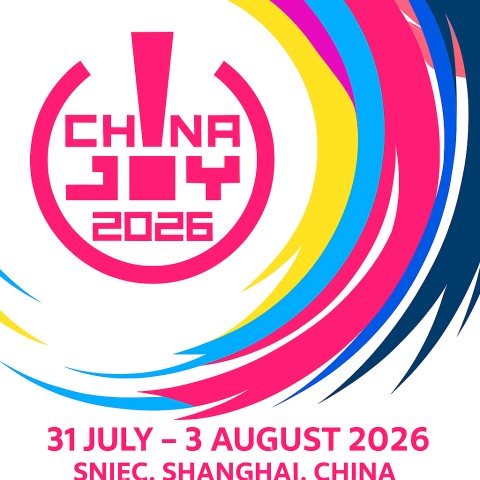
July 31 – August 3, 2026. Shanghai New International Expo Centre (SNIEC). 900 companies from 39 countries. 140,000+ sqm exhibition area. 410,000+ expected visitors. Theme: "Level Up with AI." B2C hall: 120,000 sqm, 350+ exhibitors. B2B hall: 25,000 sqm, 500+ companies, 46.6% foreign. Best for: gaming brands, entertainment technology, hardware companies, esports, and B2B gaming ecosystem partnerships.
The one-line comparison:
GTC Shanghai is the most concentrated B2B commercial marketplace for AdTech and performance marketing in China. ChinaJoy is the most visible gaming and entertainment technology platform in Asia, with a growing B2B layer that serves AdTech companies with gaming sector focus.
Which one?
Pure AdTech and performance marketing brands → GTC Shanghai. Gaming-sector AdTech, game publisher user acquisition, and brands needing both consumer visibility and B2B gaming partnerships → ChinaJoy B2B hall, potentially supplemented by GTC Shanghai. Companies with strong gaming AND general AdTech ambitions in China → both, sequenced strategically across the year.
How can Events Freeby help?
Events Freeby manages end-to-end exhibition participation at both GTC Shanghai and ChinaJoy booth design, freight logistics, on-ground coordination, and pre-event outreach. Learn more about our China exhibition services.
Introduction: The Question Every AdTech Brand Asks Before Committing Budget to China
Somewhere in the planning cycle for every international AdTech company building or expanding its China strategy, the same question surfaces: GTC Shanghai or ChinaJoy? One event in July, one in November. One focused on digital marketing and cross-border commerce, one on gaming and entertainment. One running two days, one running four. One drawing 20,000 industry professionals, one drawing 410,000 visitors.
The surface-level comparison is straightforward enough. But the commercial reality is more nuanced because both events serve the AdTech category in meaningfully different ways, and the right answer depends entirely on what your AdTech brand is actually trying to accomplish in China and across Asia in 2026.
This is not a blog that will tell you one event is categorically superior to the other. The more useful framework is to understand what each event actually delivers commercially, who is in the room at each, and what kind of AdTech business benefits most from which environment. Then, if the budget conversation allows for it, how the two events can function as a connected annual China strategy that delivers what neither event alone can.
We have worked with AdTech companies, game publishers, mobile marketing platforms, and cross-border commerce technology brands exhibiting at both GTC Shanghai and ChinaJoy, and we have seen firsthand which categories of company generate the most commercial traction at each event. That operational experience combined with the specific market data for both events is the basis of the comparison this blog provides.
Let us start with what each event actually is, before we get into the comparison that matters.
Part 1: GTC Shanghai 2026 - What It Is, Who It Serves, and What Happens There
The Event in Context
Global Traffic Conference (GTC) Shanghai is a leading international B2B exhibition and conference focused on cross-border expansion, digital marketing, and global user acquisition strategies. The event brings together e-commerce platforms, game publishers, marketing technology providers, and growth experts to explore emerging trends in AI-driven traffic acquisition, monetisation, and global business scaling.
GTC has been organised by Baijing.cn since 2017 nearly a decade of building the specific audience and exhibitor ecosystem that makes it the most commercially concentrated two days in the Chinese AdTech calendar. Unlike events that have grown through general marketing or gaming industry expansion, GTC was designed from its origin to serve the specific commercial conversation of Chinese companies going global and international companies entering Asian markets through digital channels.
GTC Shanghai 2026 runs November 4–5 at the Shanghai World Expo Exhibition and Convention Center in Pudong, bringing together 200+ exhibitors, 20,000+ attendees, and 15,000+ sqm of exhibition space.
The Three Exhibition Zones That Define What GTC Is
Zone 1: Cross-Border E-Commerce Solutions
Cross-border e-commerce solutions cover platforms, payment systems, logistics services, warehousing, brand marketing, and AI-powered e-commerce tools.
This is the commercial heart of GTC. Chinese brands expanding internationally need the full stack of cross-border infrastructure: payment rails that work in both directions, logistics and warehousing capability in target markets, platform technology for international e-commerce deployment, and performance marketing platforms to acquire customers in unfamiliar markets. International brands entering China need the equivalent stack in reverse.
For AdTech companies whose products serve the cross-border e-commerce advertiser performance marketing platforms, creative optimisation tools, audience intelligence products, multi-market attribution solutions this zone puts them directly in front of the operational decision-makers who control the advertising budgets that fund their growth.
Zone 2: Game Publishing and Development
Game publishing and development covers mobile games, PC and console games, cloud gaming solutions, game localisation services, game marketing and distribution platforms.
This zone is where GTC's gaming relevance lives. Chinese mobile game publishers with proven domestic audiences seeking international publishing partners, and international gaming brands seeking Chinese distribution or Asian regional publishing, converge in this zone. For AdTech companies with gaming sector specialisation user acquisition platforms built for gaming traffic, creative testing tools for gaming creatives, attribution solutions with gaming vertical expertise Zone 2 puts you directly adjacent to the procurement decisions you need to influence.
Zone 3: Traffic Acquisition and Digital Marketing
Traffic acquisition and digital marketing covers social media marketing, affiliate networks, influencer marketing platforms, ad optimisation tools, and performance marketing services.
This is the natural home for core AdTech exhibitors. DSPs, ad networks, attribution platforms, creative intelligence tools, and programmatic trading solutions all sit here. The buyers are media buyers, user acquisition managers, and performance marketing directors managing advertising budgets across TikTok, Meta, Google, and emerging platforms actively evaluating technology that improves their efficiency, scale, or attribution accuracy.
The GTC Buyer - Understanding the Room
The GTC audience is composed of operators people managing real advertising budgets, real user acquisition campaigns, and real international expansion programmes. The room skews heavily toward execution-oriented professionals: UA managers, performance marketers, media buyers, and cross-border commerce operators rather than brand marketers or strategic planners.
GTC is best for traffic platforms, ad networks, media buyers, cross-border e-commerce companies, game publishers, app developers, monetisation platforms, affiliate networks, and companies expanding between China and global markets.
The pace of evaluation at GTC is faster than most Western conferences. Chinese business culture in this space values directness, specificity, and demonstrated commercial relevance. Buyers at GTC know what they need, evaluate quickly, and respond to concrete performance evidence rather than abstract capability positioning. If your booth team cannot answer specific questions about platform performance in their target market within the first three minutes of a conversation, you are unlikely to generate a qualified follow-up.
The Dominant Themes at GTC Shanghai 2026
Three themes are defining the commercial conversation at GTC Shanghai in 2026 more than any others.
AI-driven user acquisition has moved from a capability claim to an operational requirement. A principal discussion point at GTC China has been the increasing use of AI in advertising AI has fundamentally transformed how advertisers target users and grow their businesses by developing data-driven models of user acquisition. Every buyer at GTC is evaluating how AI-native platforms compare to their existing tools, and whether the efficiency gains are real enough to justify switching.
Short drama app monetisation has created a new and commercially active buyer category. The short drama format serialised micro-drama content distributed through mobile applications, monetised through in-app purchases has generated hundreds of millions of dollars in revenue in Western markets after being proven at scale in China. Short drama app operators are among the most active advertising spenders attending GTC, and the AdTech platforms that understand the specific creative and targeting requirements of this format have a significant conversation advantage.
Cross-border commerce infrastructure is the perennial GTC theme that grows more commercially urgent with each edition. More businesses are looking to operate outside of their home markets, and events like GTC are a great way for them to connect with the appropriate partners and tools to do so.
Part 2: ChinaJoy 2026 - What It Is, Who It Serves, and What Happens There
The Event in Context
ChinaJoy 2026, themed "Level Up with AI", runs July 31 – August 3 at the Shanghai New International Expo Centre. The event attracts 900 companies from 39 countries and regions across a record-breaking 140,000+ sqm exhibition area, with 410,000+ expected visitors.
ChinaJoy began as China's largest gaming consumer event and has evolved, over its 23-year history, into the most important trade event in the Asian gaming and digital entertainment ecosystem with a B2C exhibition that rivals any gaming expo in the world, and a growing B2B commercial layer that is increasingly relevant for companies with gaming-adjacent commercial objectives.
ChinaJoy covers gaming as its core business, encompassing a wide range of digital entertainment fields including game development, comic and animation, internet film, music, e-literature, e-sports, and smart entertainment software and hardware.
The B2C vs B2B Architecture - Understanding the Critical Difference
ChinaJoy's most important structural feature and the most consequential for AdTech brand strategy is its two-hall architecture. The event runs two fundamentally different commercial environments simultaneously:
The B2C Interactive Entertainment Hall spans 120,000 sqm with 350+ exhibitors. This is the consumer-facing gaming event where major publishers like Tencent, NetEase, miHoYo, and their international equivalents deploy enormous experiential installations designed to generate consumer excitement around new titles, attract press coverage, and build brand visibility with the Chinese gaming public. The 400,000+ consumers who walk through ChinaJoy are primarily here.
The B2B Business Hall covers 25,000 sqm with 500+ companies, 46.6% of which are foreign.
For AdTech brands, the B2B hall is the relevant environment and it is more commercially concentrated and more internationally representative than most AdTech professionals realise when they think of ChinaJoy primarily as a consumer gaming event.
What the B2B Hall at ChinaJoy Actually Is
The B2B hall at ChinaJoy serves a specific and commercially valuable function: it is the most concentrated point in the Asian gaming calendar where game publishers, platform operators, investor groups, and technology vendors from both China and internationally conduct structured commercial business.
The 46.6% foreign representation in the B2B hall is the number that should make every AdTech company reconsider any assumption that ChinaJoy is only relevant for Chinese market participants. Nearly half of the B2B exhibitors are international they are at ChinaJoy specifically because the buyer and partner quality in the gaming ecosystem that congregates there justifies the investment.
The ChinaJoy B2B hall serves game publishers seeking international distribution partners, Chinese studios seeking overseas publishing relationships, technology companies seeking game developer and publisher customers, investor groups evaluating portfolio additions, and platform companies making market entry decisions. For AdTech companies whose products serve gaming user acquisition platforms, creative intelligence for gaming, attribution solutions with gaming vertical expertise, ad monetisation platforms for mobile games the ChinaJoy B2B hall is a concentrated gaming-sector AdTech buyer environment.
The "Level Up with AI" Theme and What It Means for AdTech
ChinaJoy 2026's AI theme is not cosmetic. The event has been structurally reorganised around AI in game development, in live operations, in user acquisition, and in content creation. This restructuring has direct commercial implications for AdTech brands.
The Chinese government launched a new overseas game export platform at the same developer conference running alongside ChinaJoy, signalling Beijing's push to make game exports a strategic pillar. AI-powered localisation capability that enables Chinese studios to adapt their games for international markets faster and at lower cost is one of the most commercially active areas of investment and it creates direct demand for AdTech platforms that can serve those localised titles in international markets.
The combination of ChinaJoy's AI theme and the government-backed international expansion push means that 2026's edition is generating more cross-border commercial conversations than any previous edition. For AdTech companies with products that serve both the Chinese domestic gaming advertising market and international gaming advertising markets, ChinaJoy 2026 is unusually relevant.
Part 3: The Direct Comparison - Where GTC Shanghai and ChinaJoy Differ Commercially
Audience Profile: Who Is Actually in Each Room
This is the most commercially important difference between the two events, and it is worth being precise rather than relying on the general framing of "GTC is marketing" and "ChinaJoy is gaming."
At GTC Shanghai:
The audience is predominantly performance marketing and e-commerce operators. These are people who manage advertising budgets across platforms on a daily basis UA managers at mobile app companies, performance marketing directors at cross-border e-commerce brands, media buyers at digital marketing agencies serving Chinese clients, and affiliate marketing operators. Their buying motivation is commercial efficiency: they want platforms and tools that measurably improve their return on advertising spend. Decision-making authority is typically concentrated the person at the booth is often the person who controls the budget.
At ChinaJoy B2B Hall:
The audience is more mixed across gaming ecosystem roles. Game publisher business development teams seeking international partners, indie game developers seeking funding or publishing deals, gaming platform operators evaluating technology vendors, and investor groups assessing market opportunities. The AdTech buyer the person specifically evaluating advertising or user acquisition technology is present but less dominant than at GTC. The decision-making authority is more distributed: business development leads may be influential but not always the final budget holder.
The practical implication for AdTech brands:
If your primary commercial objective is generating qualified leads from people who can directly purchase or evaluate your AdTech platform, GTC's operator-heavy audience delivers better conversion density. If your primary objective is establishing relationships within the gaming ecosystem publisher partnerships, platform integrations, developer community visibility ChinaJoy's broader gaming audience composition is more valuable.
Commercial Format: B2B Density vs Consumer Volume
GTC Shanghai is 100% B2B two days, 20,000 professionals, every person in the building is there for commercial purpose. There is no consumer traffic to manage, no brand activation noise competing with your business conversations, and no brand budget required for consumer-facing spectacle.
ChinaJoy is a hybrid event where the consumer B2C exhibition creates an ambient environment that can work either for or against AdTech exhibitors depending on how they position themselves. For gaming brands with both B2C and B2B objectives consumer product launches alongside publisher partnerships the hybrid format is an advantage. For pure AdTech companies with no consumer product to promote, the consumer volume at ChinaJoy can create noise around their B2B conversations without providing corresponding commercial value.
For the pure AdTech exhibitor the attribution platform, the performance marketing tool, the ad optimisation SaaS the focused B2B environment at GTC generates a higher ratio of qualified commercial conversations per day of exhibition investment.
Duration and Intensity: Two Days vs Four Days
GTC Shanghai is two days. ChinaJoy is four days. This is not just a logistical detail it reflects fundamentally different commercial pacing.
Two days at GTC Shanghai creates a concentrated urgency that can work in your favour: buyers are moving quickly through their meeting schedules, evaluating efficiently, and making shortlist decisions within the event. The compressed timeline forces clarity on both sides of the commercial conversation.
Four days at ChinaJoy provides more time but also requires more sustained booth team energy, more budget for staffing, and more logistical complexity for freight and on-ground operations. The longer duration suits companies with extensive product portfolios to demonstrate, multiple buyer categories to serve, or complex partnership deals that require multiple conversations to develop.
Investment and ROI: Realistic Cost Comparison
The investment required to exhibit effectively at GTC Shanghai and ChinaJoy differs significantly, and this difference is commercially relevant for brands calibrating their China exhibition budget.
GTC Shanghai: As a focused B2B exhibition, the booth investment at GTC Shanghai is relatively accessible compared to major gaming events. Booth sizes and configurations are designed for business conversation rather than spectacle, which means effective exhibition at GTC does not require the enormous creative production budgets that consumer gaming event presence demands. The concentrated two-day format also reduces staffing and accommodation costs relative to a four-day event.
ChinaJoy: The B2C exhibition environment at ChinaJoy creates significant pressure toward large-scale, visually impressive booth activations particularly for the consumer hall. Companies exhibiting primarily in the B2B hall can avoid this pressure by committing to the B2B-only footprint, but any involvement in the B2C hall comes with substantially higher design and production investment requirements. The four-day duration also increases staffing, freight, and accommodation budgets relative to GTC.
The practical budget guidance: a comparable exhibition presence at ChinaJoy B2B hall will typically cost more than an equivalent presence at GTC Shanghai, when all-in costs (booth design, staffing, freight, accommodation) are calculated. For AdTech companies without a consumer product requiring B2C ChinaJoy presence, the GTC investment typically generates better qualified lead per dollar spent.
Part 4: The AdTech Category Decision Framework - Which Event Fits Your Brand
Different AdTech company profiles genuinely need different event strategies. Here is the decision framework based on the specific commercial objectives that most AdTech brands bring to their China exhibition decisions.
Choose GTC Shanghai if:
You are a performance marketing or user acquisition platform. Your buyers are UA managers, performance marketing directors, and media buyers who are actively managing advertising budgets and evaluating tools that improve their operational efficiency. GTC's Zone 3 audience is the most concentrated collection of this buyer profile in Asia. Your commercial conversation is about ROAS improvement, attribution accuracy, and integration with the platforms they already use and those conversations flow naturally at GTC.
You are a cross-border e-commerce AdTech company. Your products serve brands selling across borders multi-market audience targeting, cross-currency attribution, multi-language creative production, or cross-platform campaign management for international e-commerce operators. GTC's Zone 1 is the cross-border commerce infrastructure marketplace, and your buyers are there in high density.
You are an ad network, affiliate network, or traffic platform. GTC's Zone 3 is built for you. The buyers there are the media buyers and affiliate managers who are your commercial targets, and the concentrated two-day format generates qualified conversations at a pace that suits the relatively fast evaluation cycle of this buyer category.
Your first priority is generating qualified commercial pipeline, not building brand awareness. GTC's entirely B2B format, focused audience, and concentrated timeline are optimised for pipeline generation. If your primary exhibition objective is meeting buyers who can evaluate and eventually purchase your platform, GTC delivers a higher concentration of those conversations per day than any alternative event in China.
Choose ChinaJoy B2B Hall if:
You are an AdTech company specifically serving the gaming vertical. Your products are built for gaming publishers and developers user acquisition platforms optimised for gaming creatives, attribution solutions with gaming-specific measurement, ad monetisation platforms for in-game advertising, or analytics tools calibrated to gaming engagement metrics. The ChinaJoy B2B hall is where game publishers from China and 38 other countries are making platform selection decisions.
You need to establish relationships with Chinese game studios preparing for international launch. Chinese studios using ChinaJoy to find international publishing partners are also evaluating the AdTech platforms they will use in international markets. Being visible and present in the ChinaJoy B2B ecosystem positions you as a potential AdTech partner for Chinese games going global before those studios sign with international publishers who will make platform decisions on their behalf.
You have a consumer-facing product that benefits from B2C gaming event visibility. If your AdTech company has a consumer product, a gamer-facing tool, or a brand that benefits from visibility with the Chinese gaming audience rare for pure AdTech but relevant for some hybrid gaming-AdTech companies the B2C hall at ChinaJoy provides audience scale that no other event in Asia can match.
You want to understand the Chinese gaming technology ecosystem as a competitive intelligence priority. ChinaJoy is the most concentrated environment for understanding what Chinese game companies are building, which AI tools they are using for content creation and user acquisition, and what their international expansion plans look like. For AdTech companies whose competitive landscape includes Chinese platform technology, three days on the ChinaJoy floor is worth months of secondary research.
Build Both Into Your Annual China Strategy if:
Your AdTech product serves gaming AND non-gaming verticals. The combination of ChinaJoy B2B in July and GTC Shanghai in November creates full-year coverage of both the gaming ecosystem and the broader performance marketing market. The two events are non-overlapping in timing, and the relationships formed at ChinaJoy in July can be developed further at GTC Shanghai in November creating a coherent annual engagement with the Chinese digital advertising market that a single-event strategy cannot replicate.
You need both B2B pipeline and gaming ecosystem credibility. Some AdTech companies benefit from being seen as part of the gaming industry ecosystem (via ChinaJoy) while also running structured B2B commercial campaigns through performance marketing channels (via GTC). The two events serve different commercial objectives that are complementary rather than competing.
You are building a multi-year China market presence rather than testing a single event. Companies committed to building genuine Chinese market presence find that the annual ChinaJoy + GTC Shanghai combination creates a rhythm of market engagement new product launches in July at ChinaJoy, commercial pipeline development in November at GTC that compounds into market relationships and brand recognition that a single annual event cannot generate.
Part 5: Head-to-Head Comparison Across Eight Dimensions
Dimension 1: Audience Quality for AdTech Buyers
GTC Shanghai: Very high. The audience is predominantly performance marketing professionals and e-commerce operators with direct budget authority. Every person in the room is there for commercial purpose, and the concentration of AdTech-relevant buyers per square metre is exceptionally high.
ChinaJoy B2B Hall: Moderate-high. AdTech buyers are present but mixed with a broader gaming ecosystem audience that includes publisher business development, game developers, investors, and hardware companies. The AdTech buyer density is lower than at GTC, but the total number of AdTech-relevant conversations is significant given the scale of the event.
Dimension 2: Commercial Deal Velocity
GTC Shanghai: Fast. Two concentrated days with a buyer population evaluating efficiently. Decisions on evaluation lists and RFP invitations are typically made within or shortly after the event.
ChinaJoy B2B Hall: Slower. The four-day format, the mixed audience, and the gaming ecosystem context means that commercial relationships formed at ChinaJoy typically take longer to develop into commercial deals. The event is better suited to relationship-building than immediate pipeline generation.
Dimension 3: International Diversity
GTC Shanghai: Moderate. The event has strong Chinese mainland presence with growing international attendance. The international-to-Chinese ratio reflects GTC's origins as a Chinese industry conference that has become increasingly global.
ChinaJoy B2B Hall: High. 900 companies from 39 countries, with 46.6% foreign representation in the B2B hall. The international diversity at ChinaJoy is exceptional reflecting the global nature of the gaming industry and the strong outbound ambitions of Chinese gaming companies.
Dimension 4: AI and Technology Theme Relevance
GTC Shanghai: High. AI-driven user acquisition, AI-powered creative optimisation, and AI-native performance marketing are the dominant conversation threads. Every AdTech buyer at GTC is evaluating AI capability as a primary criterion.
ChinaJoy: Very high. The "Level Up with AI" theme for 2026 means the entire exhibition has been restructured around AI in game development, live operations, content creation, and user acquisition. For AI-native AdTech platforms, ChinaJoy 2026 has unusually high thematic relevance.
Dimension 5: Exhibition Investment Required
GTC Shanghai: Lower. Focused B2B format, two days, no consumer activation requirement. Effective exhibition presence is achievable at a significantly lower total investment than ChinaJoy.
ChinaJoy: Higher. Four-day format, consumer activation pressure in B2C hall, larger venue logistics, and greater booth design investment typically required for effective presence. B2B-only footprint reduces this, but still requires higher staffing budgets than GTC.
Dimension 6: Freight and Logistics Complexity
GTC Shanghai: Moderate. Shanghai venue with manageable freight and setup requirements. Recommended to begin logistics planning eight to ten weeks before the event.
ChinaJoy: High. One of the largest exhibition venues in Asia, with strict build timelines, complex freight deadlines, and significant on-ground coordination requirements. International exhibitors should begin logistics planning twelve to sixteen weeks before the event.
Events Freeby manages freight forwarding, customs clearance, and on-ground logistics at both GTC Shanghai and ChinaJoy. The specific venue requirements and setup timelines for each event are different enough that first-time China exhibitors significantly benefit from having an experienced logistics partner who knows both venues. Explore our China exhibition management services.
Dimension 7: Post-Show Follow-Up Timeline
GTC Shanghai: Short. The concentrated B2B audience and fast evaluation culture means that follow-up deployed within 48 hours of the event closing generates significantly higher response rates than follow-up sent a week later. Build your follow-up frameworks before you travel to Shanghai.
ChinaJoy: Medium. The relationship-building nature of ChinaJoy B2B conversations means that follow-up can be deployed over a slightly longer window but the first follow-up should still go out within 72 hours for leads that showed genuine commercial intent on the floor.
Dimension 8: Language and Cultural Preparation Required
GTC Shanghai: High priority. The buyer population is predominantly Mandarin-speaking, and Mandarin-language outreach, booth materials, and team capability is commercially important. English-only booth presence underperforms significantly at GTC.
ChinaJoy B2B: Very high priority given the scale. The 46.6% foreign presence in the B2B hall creates a more multilingual environment than GTC, but Mandarin capability remains essential for engaging effectively with the Chinese studio and publisher buyers who represent the most commercially valuable audience in the B2B hall.
Part 6: What Successful AdTech Companies Do Differently at Each Event
What Wins at GTC Shanghai
The AdTech companies generating the most commercial traction at GTC Shanghai in 2026 have made three specific decisions that their less-successful peers have not.
They demo performance data, not product capabilities. The GTC audience is sophisticated enough to assess platform capability claims quickly and sceptically. What moves the needle is specific, verified performance data from deployments in markets and verticals relevant to the buyer. "Our platform improved ROAS by an average of 31% for cross-border gaming campaigns in Southeast Asia" is a booth opening that generates qualified conversation. "We have a leading AI-powered performance marketing platform" is the opening that gets a polite nod and a step backward.
They have a private meeting area, not just an open demo space. The most commercially valuable GTC conversations happen at a table, not in an open aisle. A UA manager discussing specific platform integration requirements, or a cross-border e-commerce brand's CMO evaluating a potential platform switch, needs a conversation environment where they can speak candidly without being overheard by competitors. Booths designed entirely as open demo space are losing the most valuable conversations to exhibitors who have reserved a corner for a table and two chairs.
They staff their booth with Mandarin speakers who also understand the product technically. The combination of language accessibility and technical credibility is what converts GTC conversations into qualified follow-ups. A Mandarin-speaking commercial representative who cannot answer technical questions is better than an English-only technical expert but neither is as commercially effective as a Mandarin-capable product specialist who can have a genuine peer-to-peer conversation with a technically sophisticated Chinese UA manager.
What Wins at ChinaJoy B2B Hall
They position within the gaming ecosystem, not adjacent to it. The ChinaJoy B2B buyer is embedded in the gaming industry and responds to vendors who demonstrate genuine gaming ecosystem knowledge not vendors who are presenting general AdTech capabilities and asserting gaming relevance. If your platform has gaming-specific capabilities, put them at the front. If you have gaming publisher references, display them prominently. If you have data about gaming campaign performance on specific platforms relevant to Chinese studio international launches, lead with it.
They treat the four days as a relationship-building programme, not a lead generation sprint. The commercial relationships that eventually produce significant pipeline from ChinaJoy B2B typically begin with two or three conversations across the four-day event not a single demonstration that closes in one meeting. Having a system for tracking where each conversation is and progressing it toward a specific next step a follow-up meeting on day three, an exchange of specific technical documents on day four, a confirmed call the week after the event generates better outcomes than treating each booth interaction as an isolated event.
They use the conference programme to build visibility. ChinaJoy's developer conferences and panel discussions run alongside the exhibition, and speaking slots or panel participation in the B2B conference tracks create visibility that booth presence alone cannot replicate. AdTech companies who have secured conference speaking opportunities at ChinaJoy consistently report higher quality booth traffic from attendees who have heard the speaker's perspective and want to continue the conversation in a commercial context.
Part 7: Building a Two-Event China Strategy - When Both Make Commercial Sense
For AdTech companies with sufficient budget and bandwidth, treating GTC Shanghai and ChinaJoy as complementary components of an annual China strategy rather than competing options delivers commercial outcomes that neither event alone can generate.
The Sequencing That Makes It Work
The natural sequence for a combined ChinaJoy and GTC Shanghai annual strategy follows the Chinese commercial calendar:
ChinaJoy in late July/early August is the relationship establishment event. You are meeting gaming ecosystem players studios, publishers, platform operators who will be in market for AdTech partnerships over the coming months. You are building the brand visibility within the gaming ecosystem that makes future commercial conversations warmer. You are gathering competitive intelligence about what Chinese studios are building and where they are going internationally.
GTC Shanghai in early November is the pipeline development event. The relationships initiated at ChinaJoy can be progressed at GTC if the relevant contacts also attend GTC. New buyer relationships with the performance marketing and cross-border e-commerce audience at GTC complement the gaming ecosystem relationships from ChinaJoy. Pre-show outreach for GTC can reference the ChinaJoy relationship and the follow-up from it giving you a warm context for outreach rather than cold introduction.
Who This Two-Event Strategy Is For
This strategy makes most commercial sense for AdTech companies that:
Serve both gaming and non-gaming verticals with sufficient customer value to justify two separate exhibition investments. Have a team with the bandwidth to execute two China exhibitions without either one suffering from inadequate preparation. Are committed to building genuine multi-year China market presence rather than testing the market with a single event. Have established Mandarin-language team capability or partner support for both events.
If you are at an early stage of China market development and need to choose one event to test, the decision should be driven by your primary buyer profile: performance marketing and e-commerce buyers belong at GTC; gaming publisher and ecosystem buyers belong at ChinaJoy B2B.
Part 8: The Logistics Dimension - Why China Exhibition Requires More Planning Than You Think
Why Both Events Have Specific Logistical Demands
Neither GTC Shanghai nor ChinaJoy is an event that international AdTech companies can arrive at underprepared and still execute effectively. Both require specific advance planning for freight, customs, booth setup, and on-ground coordination that first-time China exhibitors consistently underestimate.
GTC Shanghai logistics requirements:
The Shanghai World Expo Exhibition and Convention Center has specific freight receiving timelines, booth build requirements, and power provisioning processes that need to be coordinated through the venue's official channels. For international companies shipping demonstration hardware laptops, display screens, server equipment for live platform demonstrations temporary import documentation for China needs to be prepared eight to ten weeks before the event.
ChinaJoy logistics requirements:
The Shanghai New International Expo Centre is one of the largest and most operationally complex exhibition venues in Asia. Freight deadlines are strict missed cut-offs result in demonstration equipment not being on the floor when the show opens, which is a catastrophic outcome for an exhibition strategy built around live demonstrations. The build period before ChinaJoy opens has a defined timeline, and custom booth structures require pre-approval of technical drawings. International companies exhibiting at ChinaJoy for the first time should begin logistics planning twelve to sixteen weeks before the event.
Events Freeby manages the complete logistics lifecycle for AdTech and gaming companies exhibiting at both GTC Shanghai and ChinaJoy freight forwarding from international origins, customs clearance for temporary import of exhibition equipment in China, coordination with official venue logistics channels, and on-ground support during booth build and show days. Talk to our team about your China exhibition logistics.
The Mandarin Language Requirement That Changes Commercial Outcomes
Both events require Mandarin language capability to realise their commercial potential. The practical implementation differs between the two.
At GTC Shanghai, where the audience is predominantly Chinese, Mandarin language capability is the primary commercial enabler. Booth materials should be bilingual at minimum, and at least one team member should be capable of managing a full commercial conversation including technical questions in Mandarin.
At ChinaJoy B2B hall, where the international representation is higher, English-language capability is more commercially viable for engaging with the foreign exhibitors and international gaming buyers. However, the Chinese studio and publisher buyers who represent the most commercially valuable audience for AdTech companies at ChinaJoy still require Mandarin engagement for the most productive conversations.
Frequently Asked Questions
Q: What is the main difference between GTC Shanghai and ChinaJoy for AdTech brands?
GTC Shanghai is a focused B2B commercial marketplace specifically designed for AdTech, performance marketing, and cross-border commerce professionals two concentrated days of commercial conversations between technology providers and operational buyers. ChinaJoy is the largest gaming and digital entertainment event in Asia, with a B2C consumer exhibition and a growing B2B commercial layer in a separate hall that is relevant for gaming-sector AdTech. The core difference is audience profile: GTC attracts performance marketing operators; ChinaJoy B2B attracts gaming ecosystem players.
Q: When is GTC Shanghai 2026 and when is ChinaJoy 2026?
GTC Shanghai 2026 runs November 4–5 at the Shanghai World Expo Exhibition and Convention Center in Pudong. ChinaJoy 2026 runs July 31 – August 3 at the Shanghai New International Expo Centre (SNIEC). The two events are non-overlapping in timing, making it logistically feasible to attend both as part of an annual China strategy.
Q: What is the scale of each event?
GTC Shanghai 2026: 200+ exhibitors, 20,000+ attendees, 15,000+ sqm. ChinaJoy 2026: 900 companies from 39 countries, 410,000+ expected visitors, 140,000+ sqm total exhibition area with 25,000 sqm dedicated to the B2B business hall and 500+ companies.
Q: Which event should a pure performance marketing platform choose?
GTC Shanghai. Its audience is concentrated with performance marketing professionals, UA managers, and media buyers who are directly evaluating AdTech platforms with purchasing authority. The two-day B2B format creates a higher density of qualified commercial conversations per day than any alternative China exhibition option.
Q: Is ChinaJoy relevant for AdTech companies that are not in gaming?
Marginally, at best. ChinaJoy's B2B hall attracts a gaming ecosystem audience game publishers, developers, esports operators, gaming platform companies with AdTech buyers present but not dominant. For non-gaming AdTech companies, the commercial return from ChinaJoy is likely to be significantly lower than from GTC Shanghai, unless there is a specific partnership or technology integration objective related to the gaming ecosystem that justifies the higher investment.
Q: What is the ChinaJoy B2B hall and how does it differ from the main show?
The ChinaJoy B2B business hall is a separate 25,000 sqm exhibition space within the ChinaJoy event, dedicated to structured commercial interactions between gaming industry professionals. It runs alongside the B2C interactive entertainment hall but has separate access, a different exhibitor composition, and a fundamentally different commercial purpose. The B2B hall has 500+ companies with 46.6% foreign representation making it the most internationally diverse gaming B2B environment in Asia.
Q: How far in advance should AdTech companies begin planning for each event?
For GTC Shanghai: begin logistics planning eight to ten weeks before the event, and pre-event outreach six to eight weeks before. For ChinaJoy: begin logistics planning twelve to sixteen weeks before the event given the venue complexity, and pre-event outreach six to eight weeks before. Booth design briefings for both events should be completed at least ten weeks in advance to allow for production lead times.
Q: Can an AdTech company attend both GTC Shanghai and ChinaJoy in the same year?
Yes, and for AdTech companies with both gaming and general performance marketing commercial objectives in China, attending both events is the most effective annual China strategy. ChinaJoy in late July builds gaming ecosystem relationships; GTC Shanghai in early November develops commercial pipeline with the broader performance marketing and cross-border commerce audience. The two events serve complementary rather than competing commercial objectives.
Q: What languages are needed to exhibit effectively at each event?
At GTC Shanghai: Mandarin is essential. The predominantly Chinese audience requires bilingual booth materials and at least one Mandarin-capable team member who can manage commercial and technical conversations. At ChinaJoy B2B hall: both Mandarin and English are commercially valuable, reflecting the 46.6% foreign exhibitor representation. However, engaging effectively with Chinese gaming studios and publishers the most commercially valuable buyers for AdTech in the B2B hall requires Mandarin capability.
Q: How can Events Freeby help with exhibition at GTC Shanghai and ChinaJoy?
Events Freeby provides end-to-end international exhibition management for AdTech, gaming, and technology companies at both GTC Shanghai and ChinaJoy including booth design and fabrication with bilingual materials, international freight forwarding and customs clearance for exhibition equipment in China, on-ground logistics coordination at both Shanghai venues, pre-event outreach campaign support for Chinese market engagement, and post-show follow-up structure. Get in touch to discuss your China exhibition strategy.
Conclusion: The Decision Is About Your Buyer, Not the Events
GTC Shanghai and ChinaJoy are both excellent events. The question of which fits your AdTech brand better is not a question about event quality it is a question about where your specific buyer is, what commercial objective you are optimising for, and what investment level your brand can sustain.
If your buyer is a performance marketer, a UA manager, or a cross-border commerce operator: GTC Shanghai is the most commercially dense two days in the Chinese AdTech calendar. Twenty thousand professionals, 200+ exhibitors, three exhibition zones calibrated to the exact buyer categories that drive AdTech revenue all concentrated into a format that is designed for deal-making rather than entertainment.
If your buyer is a game publisher, a mobile game developer, or a gaming platform operator evaluating their international AdTech infrastructure: ChinaJoy B2B hall is the most concentrated gaming ecosystem commercial environment in Asia. Nine hundred companies from 39 countries, 46.6% foreign B2B representation, an AI-focused theme that directly addresses the user acquisition and technology challenges your buyer is navigating.
If your buyer is both: build the annual strategy that includes both events, sequenced to deliver cumulative commercial relationship value across the full year.
Whatever the decision, the companies walking away from these events with genuine pipeline are the ones that prepared: pre-booked meetings, Mandarin-capable booth teams, Asian market case studies, and post-show follow-up systems that deployed within 48 hours of the show closing.
If your AdTech brand is planning exhibition presence at GTC Shanghai, ChinaJoy, or both and you want a partner who understands the operational specifics of exhibiting in China alongside the commercial logic of both events our team at Events Freeby is ready to help you plan and execute.
Published on Aug 25, 2026